Majlis committee to probe Parole Board over Abucha release
The Judiciary Committee decided on Wednesday to investigate the Parole Board's release of convicted drug trafficker Abdulla Ibrahim and to seek answers from former board members.
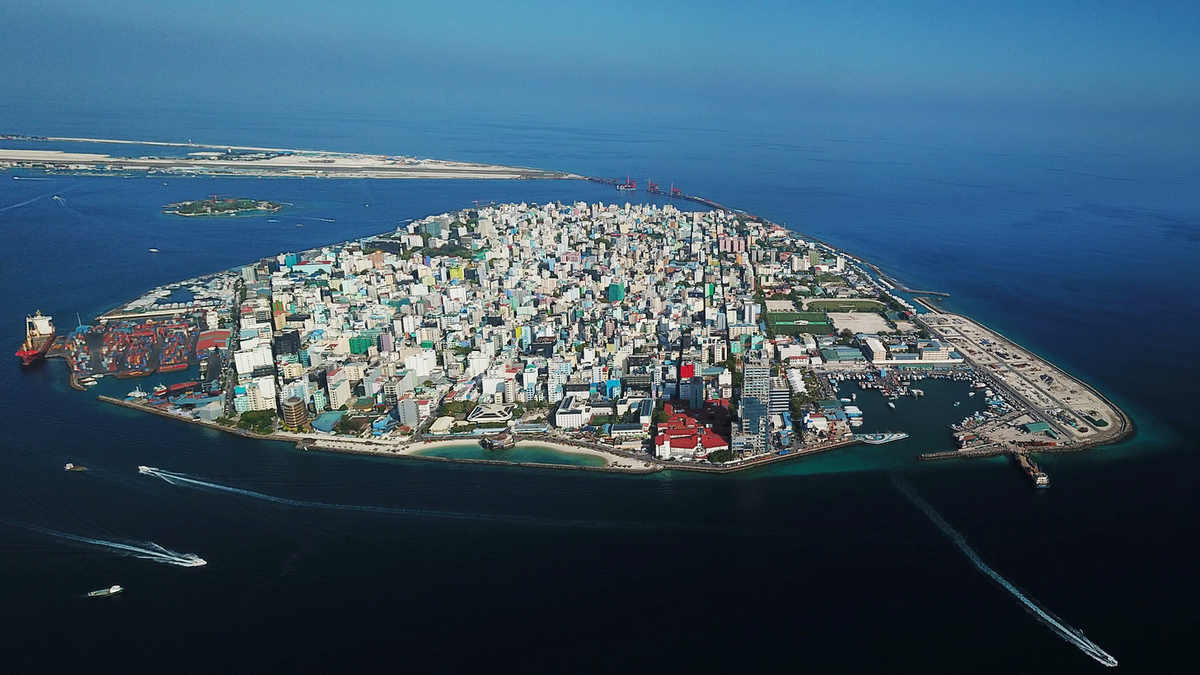
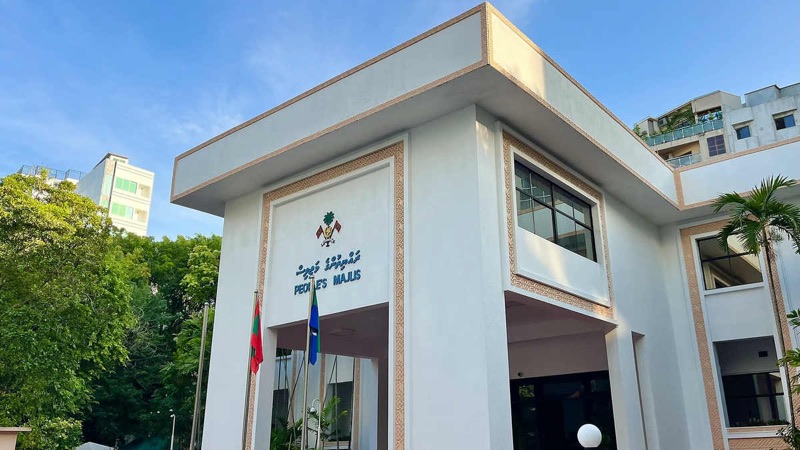
The People's Majlis Judiciary Committee in Malé on Wednesday, 14 October, decided to open an inquiry into the Parole Board's decision to release Abdulla Ibrahim, known as Abucha, who was serving a prison sentence for drug trafficking linked to Addu City.
The inquiry was proposed by Galolhu North MP Mohamed Ibrahim of the Maldivian Democratic Party. Committee members said the release raised serious public-interest questions and that dismissing the board alone was not enough. Faresmaathoda MP Ashraf Rasheed of the ruling People's National Congress proposed summoning Parole Board members for questioning; members present supported the move. Because the board had already been dismissed, the committee also agreed to obtain a written account of how the release was decided before taking further steps.
Abdulla Ibrahim was sentenced in May 2025 in a case arising from a 2020 police operation in which more than 98 kilograms of drugs, including heroin, MDMA and amphetamines, were reported seized. He was released on parole in late September and returned to custody days later after the government revoked the decision. All six Parole Board members involved were removed from their posts.
Homeland Security Minister Ali Ihusaan said the board had not applied the law correctly when it calculated Ibrahim's parole eligibility. According to the minister, Ibrahim faces three sentences of 12 years and six months each and would become eligible for parole only after serving six years and three months. The board, he said, instead counted an eight-year remainder after deducting pre-trial detention, and Ibrahim had spent five years and 11 months in prison across the case. Ihusaan also said granting parole to drug traffickers runs counter to government policy, while adding that he did not believe the board members had acted with malicious intent.
The Maldives Prisons and Parole Act restricts parole for people serving long drug-trafficking sentences until they have completed at least half of their term. The Judiciary Committee has not yet published findings, named a date for hearings, or said whether criminal charges will be pursued against former board members. No new Parole Board has been confirmed as sitting for the inquiry.